A garden of light on a church in scaffolding
I have this garden, and I want to share it.
HAGEN is a garden for people with broken roots. Broken roots can mean many things: coming here from another country, being the one who is different, growing up in a broken home, or never quite feeling that you belong. In this garden you can simply exist. It sees you regardless of where you come from, and it listens.
HAGEN grew out of a life without the roots most people can lean on. Making it gave me a place to belong, and I want to open that place to anyone who walks past a church in Bergen on a winter evening.
I propose one free public evening in winter 2027 where HAGEN, my real-time night garden, grows across the white restoration cloth of Johanneskirken. For a short time the church is wrapped in cloth, and that cloth is a screen that will not be there again. In autumn 2027 the same garden moves into Muséhagen, onto real trees and paths.
I build the software myself, I have already tested HAGEN on a façade and on fabric, and I bring years of live production and work with crowds and safety in Bergen's venues.
Johanneskirken
Student residence, Bergen, October 2026
There is a garden that does not forget.
HAGEN is a work of electronic literature. The light carries words, and the order and timing of those words depend on the people in front of it.
HAGEN is about belonging when your roots are broken. Roots that have been cut off still find ways to reach each other through the soil. The garden notices whoever arrives, and anyone can belong there, even with broken roots.
Research on chosen family shows how queer and trans young adults build networks of care with friends and partners when the family they were born into is absent or unsafe. As the title of one study puts it, "We Just Take Care of Each Other" (Jackson Levin et al. 2020). HAGEN is built on that idea. In the garden, roots that are not related still feed each other, and everyone can exist there together. Sara Ahmed's work on orientation helps me see approaching, turning away and finding another path as meaningful movements (Ahmed 2006). The garden answers all of them: nobody is pushed out for walking away, and anyone can come back.
On the church, this line is the first thing the cloth can say, and it is not shown at a set time. In the proposed projection, quiet lets the sentence gather out of the roots and settle. A voice or a clap loosens its arrangement and changes how the words move. Sound and silence offer two different ways of meeting the same words, and both are part of reading it. The sentence also describes the system: the garden keeps how far it has grown from one evening to the next, while it keeps nothing about who was there.
Between the seven acts, voices from folklore speak: the Norwegian huldra, Mélusine, the Ukrainian mavka, the princess of Gunung Ledang and Aab-e-Jinn. These beings live on the edge between worlds, and they give a shape to the feeling of broken roots that only a myth can give.
The poems will also change with the work. For each site I will rewrite and add poems in the same tone, adjusted to the place, the space and the time of year: lines that fit a church wrapped in scaffolding in winter, and others that speak to the plants, paths and autumn evenings of Muséhagen.
| What the crowd does | What happens to the language | Why | Status |
|---|---|---|---|
| The street goes quiet | A line rises out of the roots and stays while the quiet lasts | Waiting becomes part of reading | In the garden today |
| Someone speaks or claps | The roots flare, the words loosen and drift, then gather into a new line | Speaking has a consequence without shutting anyone out | Proposed for the cloth |
| Many people at once | Their combined sound sets the rhythm of the text, and both loud and quiet moments open something to read | Reading becomes shared, with room for different ways of taking part | Proposed for the cloth |
| People return another evening | The garden has kept what grew, so the text starts from a different place | The line about not forgetting becomes literal | In the garden today |
The microphone measures sound only. Quiet is something the whole crowd produces, not a sign that any one person is standing still.
One encounter on the evening
| Moment | What happens | Status |
|---|---|---|
| Arrival | Someone walking past sees thin roots of light at the foot of the cloth and slows down. | Proposed |
| Invitation | A friend laughs and the roots flare. People notice the cloth is listening, and the sign confirms it. | Proposed |
| Passage | When the street settles, There is a garden that does not forget rises out of the roots. | Line exists in the garden today |
| Consequence | The line stays while people stay. Their sound and their quiet shape how it moves, so each group reads it a little differently. | Proposed |
| Departure | People leave, the words sink back, and the garden keeps what grew for the next evening, with nothing kept about who was there. | Growth memory exists in the garden today |
Garden, Algorithm and Glitch
The garden has three states, and each one rests on research in electronic literature and digital media. In the projection they give the evening its changes in mood.
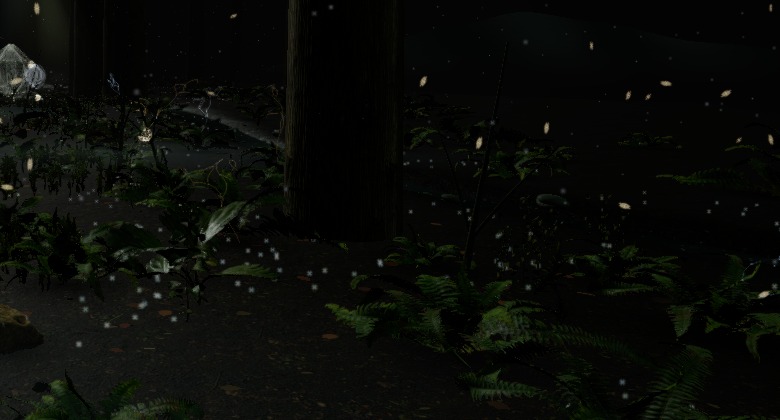
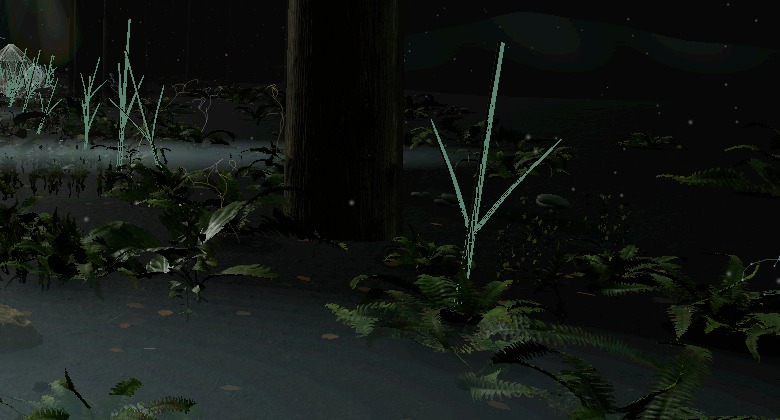
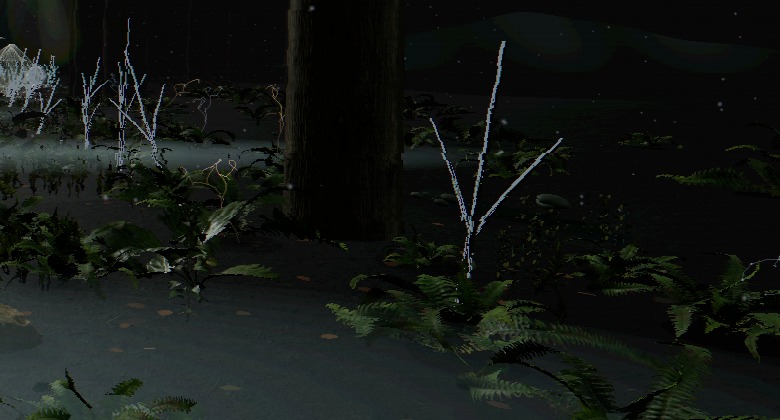
The three views of the running HAGEN garden (V26), captured on 3 November 2026.
Research basis
- Hayles 2007Electronic literature is "digital born", made on a computer and meant to be read on one. Hayles also describes how it has moved off the desktop and into the environment, with site-specific installations as part of the field (section 1 and 2).This is why HAGEN leaves the screen. On the church and in Muséhagen the place becomes part of the text.
- Hayles 2007All electronic text lives where "human-only languages and machine-readable code" meet (section 2).In small viewings, words like algorithm and glitch are part of a poem and commands the code carries out at the same time. The visitor says them out loud.
- Jackson Levin et al. 2020Queer and trans young adults build chosen families of care when the family they were born into is absent or unsafe.The garden as a place where roots that are not related still feed each other, and everyone can exist together.
- Ahmed 2006Orientation: how bodies approach, turn away and find other paths.The garden answers every movement. Nobody is pushed out for walking away, and anyone can come back.
- Bogost 2007Procedural rhetoric: a work makes its argument through its rules.The rules say what the poems say. Nobody is punished for walking away, the garden keeps growing when no one is there, and it remembers what grew and never who was there.
- Montfort 2009Taroko Gorge is a nature poem made by code that never ends and comes in a new order each time.The Algorithm state, where the rules behind the garden become visible and the growth falls into a regular pattern.
- Menkman 2011A glitch is a break from an expected flow that is perceived as an accident or error (page 9).The Glitch state, a planned break that makes people look again.
References
Ahmed, Sara. 2006. Queer Phenomenology: Orientations, Objects, Others. Durham, NC: Duke University Press. https://doi.org/10.1215/9780822388074.
Bogost, Ian. 2007. Persuasive Games: The Expressive Power of Videogames. Cambridge, MA: MIT Press. https://doi.org/10.7551/mitpress/5334.001.0001.
Hayles, N. Katherine. 2007. "Electronic Literature: What Is It?" Electronic Literature Organization, January 2, 2007. https://eliterature.org/pad/elp.html.
Jackson Levin, Nina, Shanna K. Kattari, Emily K. Piellusch, and Erica Watson. 2020. "'We Just Take Care of Each Other': Navigating 'Chosen Family' in the Context of Health, Illness, and the Mutual Provision of Care amongst Queer and Transgender Young Adults." International Journal of Environmental Research and Public Health 17 (19): 7346. https://doi.org/10.3390/ijerph17197346.
Menkman, Rosa. 2011. The Glitch Moment(um). Network Notebooks 04. Amsterdam: Institute of Network Cultures. networkcultures.org.
Montfort, Nick. 2009. Taroko Gorge. Web-based generative poem. https://nickm.com/poems/taroko_gorge/.
Johanneskirken, wrapped for restoration
The church stands high above the city centre and can be seen from far away. While it is restored, its walls and tower are covered in tall white panels.
The projection uses the cloth facing the open area before the church, where people can gather and stand at a safe distance from the projectors. Nothing is fixed to the building. All equipment stands on the ground and is removed the same night.
Trees in front of the church throw shadows on the cloth. They become part of the image: the light starts where the shadows meet the wall.
The covering comes down when the tower work is finished in 2027. That sets the timing of this proposal.
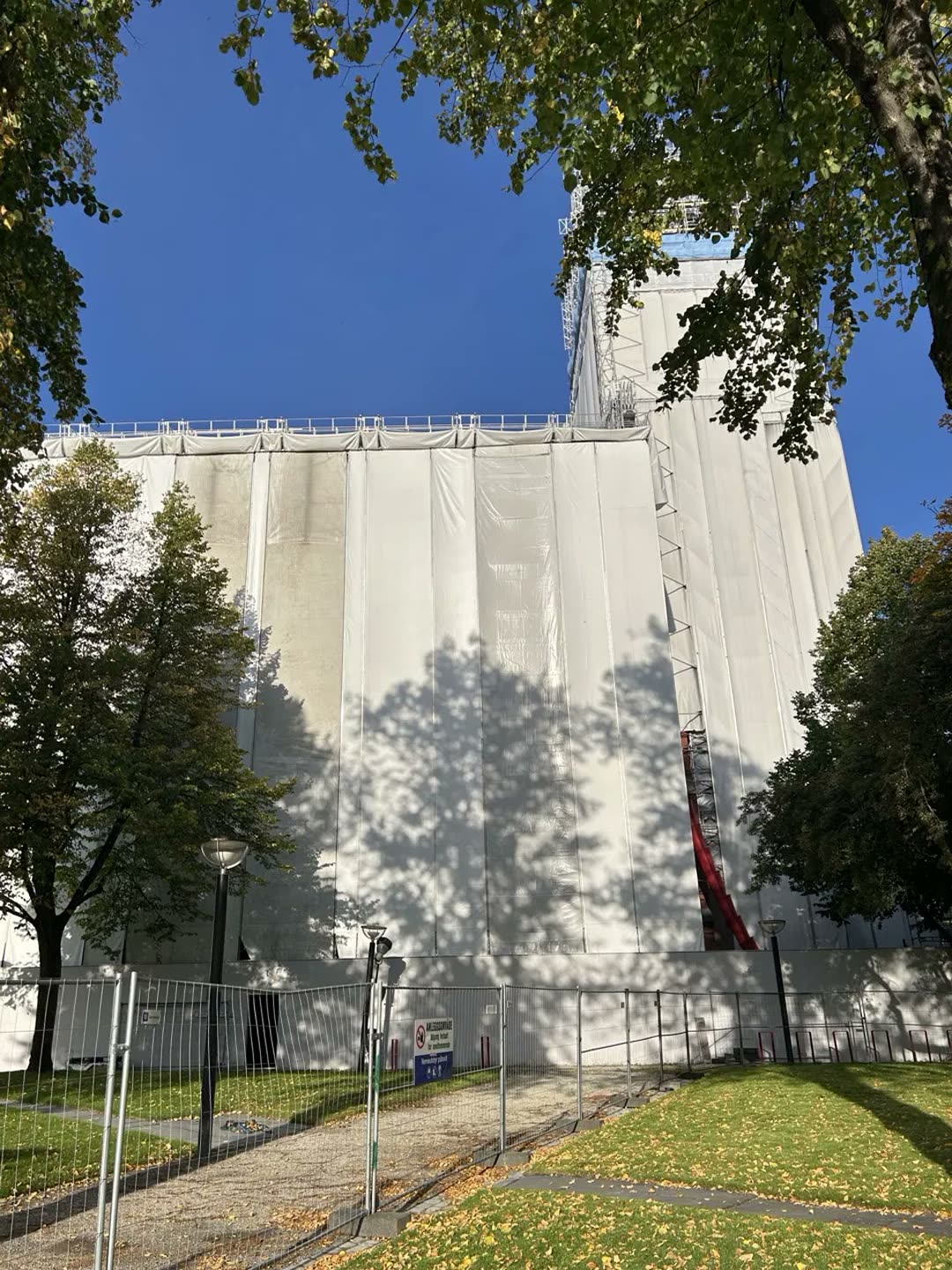
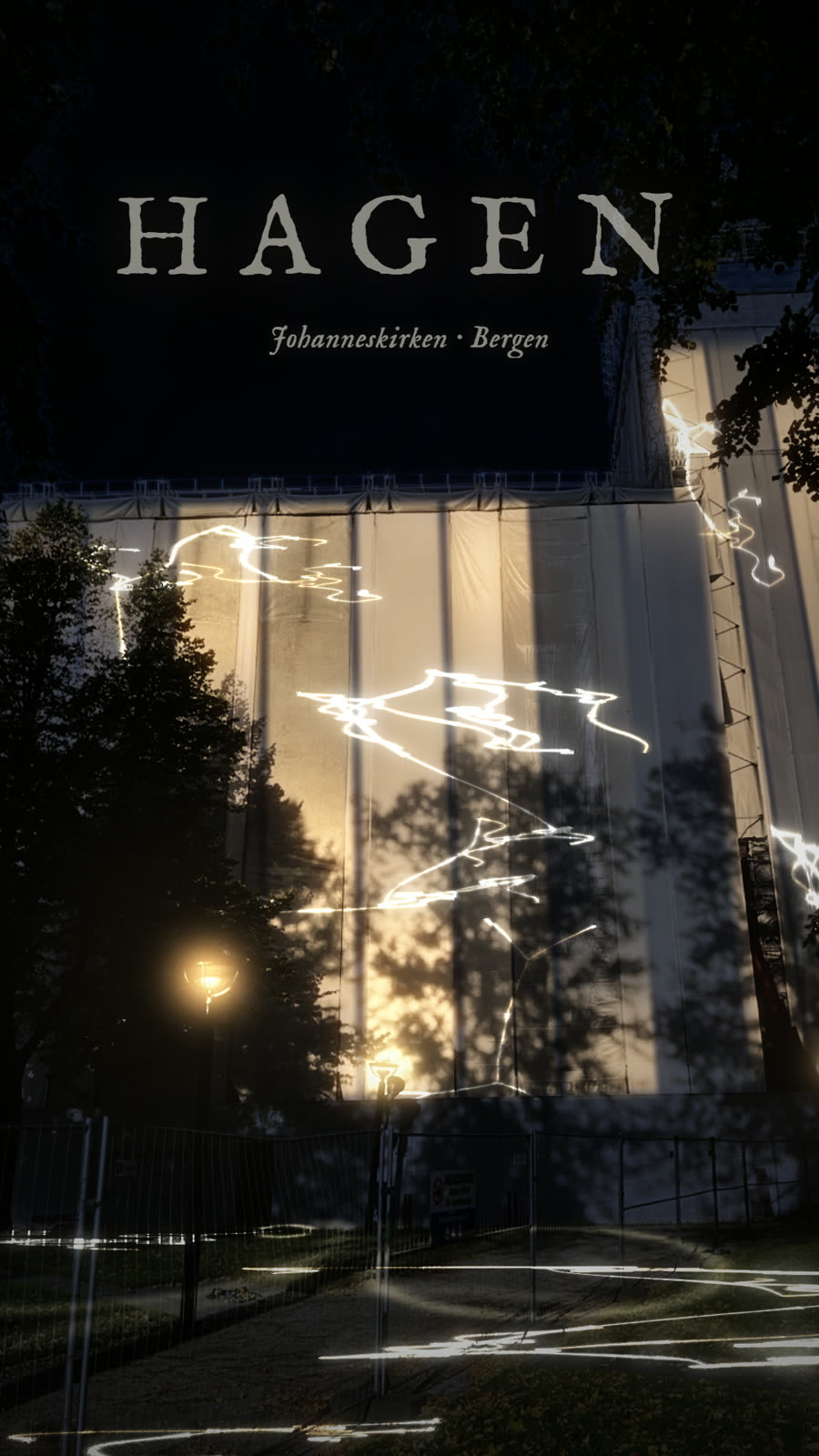
The church under restoration. Press Night for the rendering.
Dark cloth, slow light
Most of the cloth stays dark. Fine roots in amber and soft green rise from the ground and climb the panels, and short lines of text surface among them and fade again.
A clap or a voice from the street makes the roots flare. When the crowd goes quiet, the garden slows down and new lines appear. The pace is calm, closer to an evening walk in a garden than to a light show, so people can stay for two minutes or for an hour.
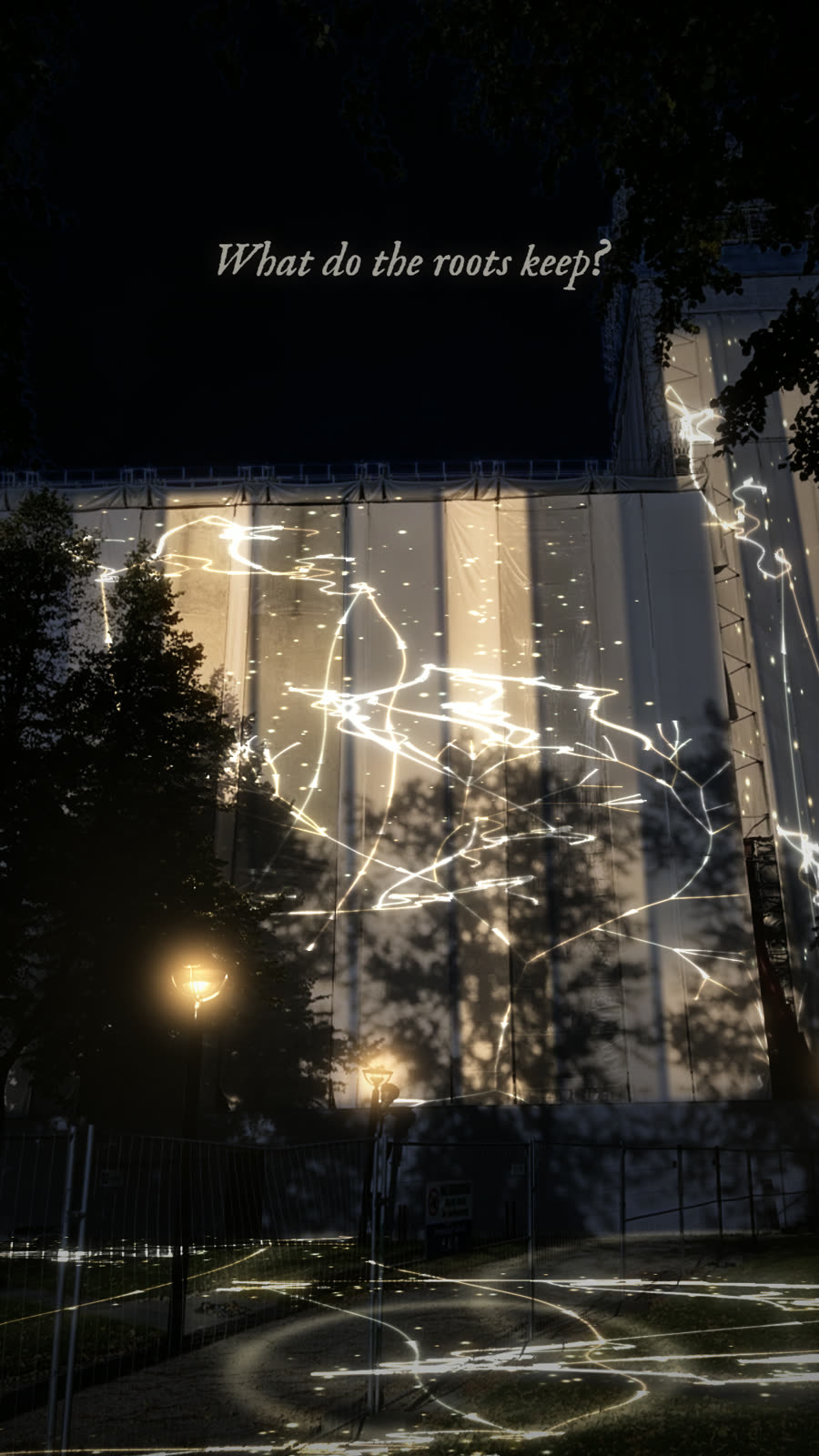
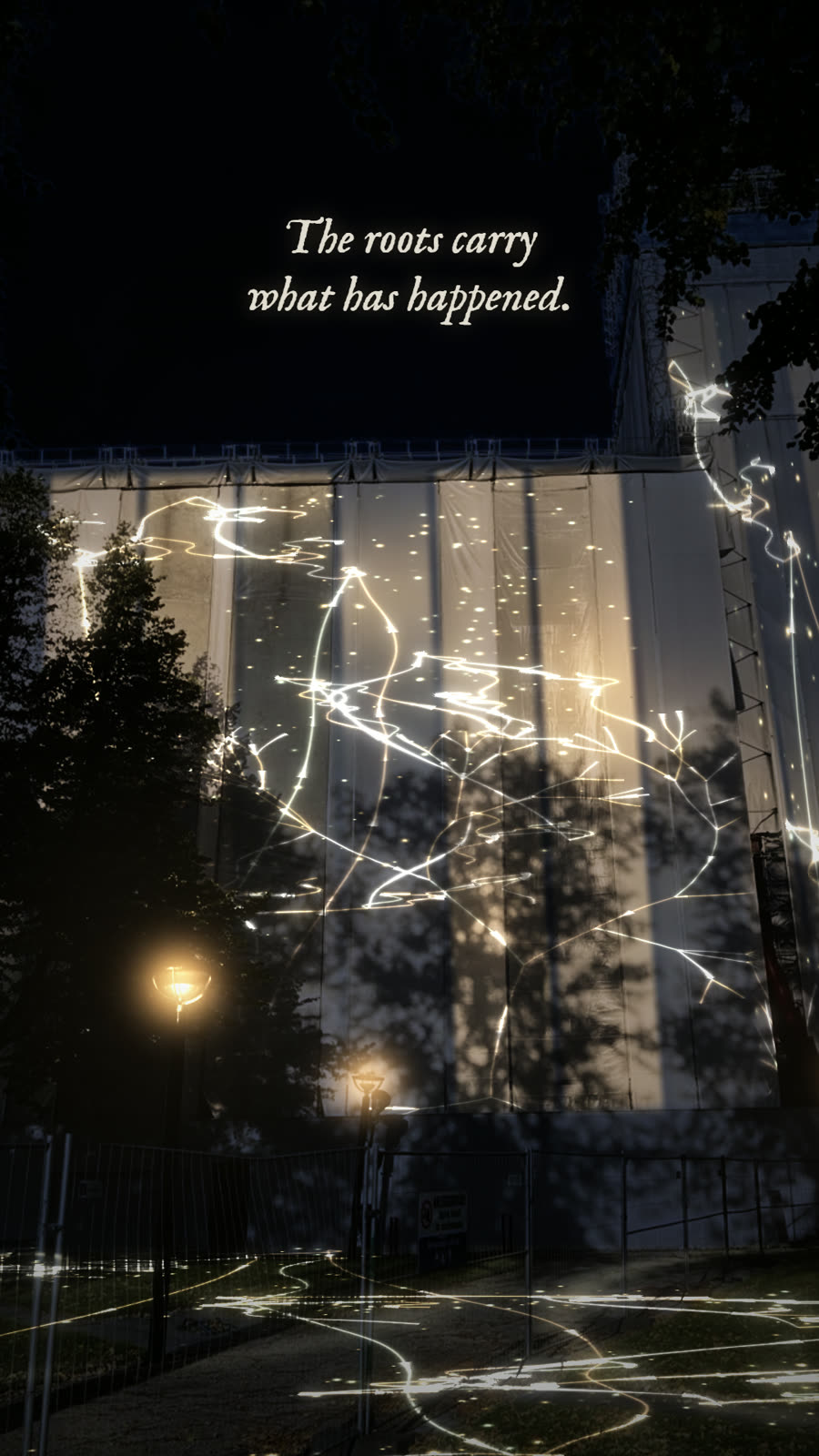
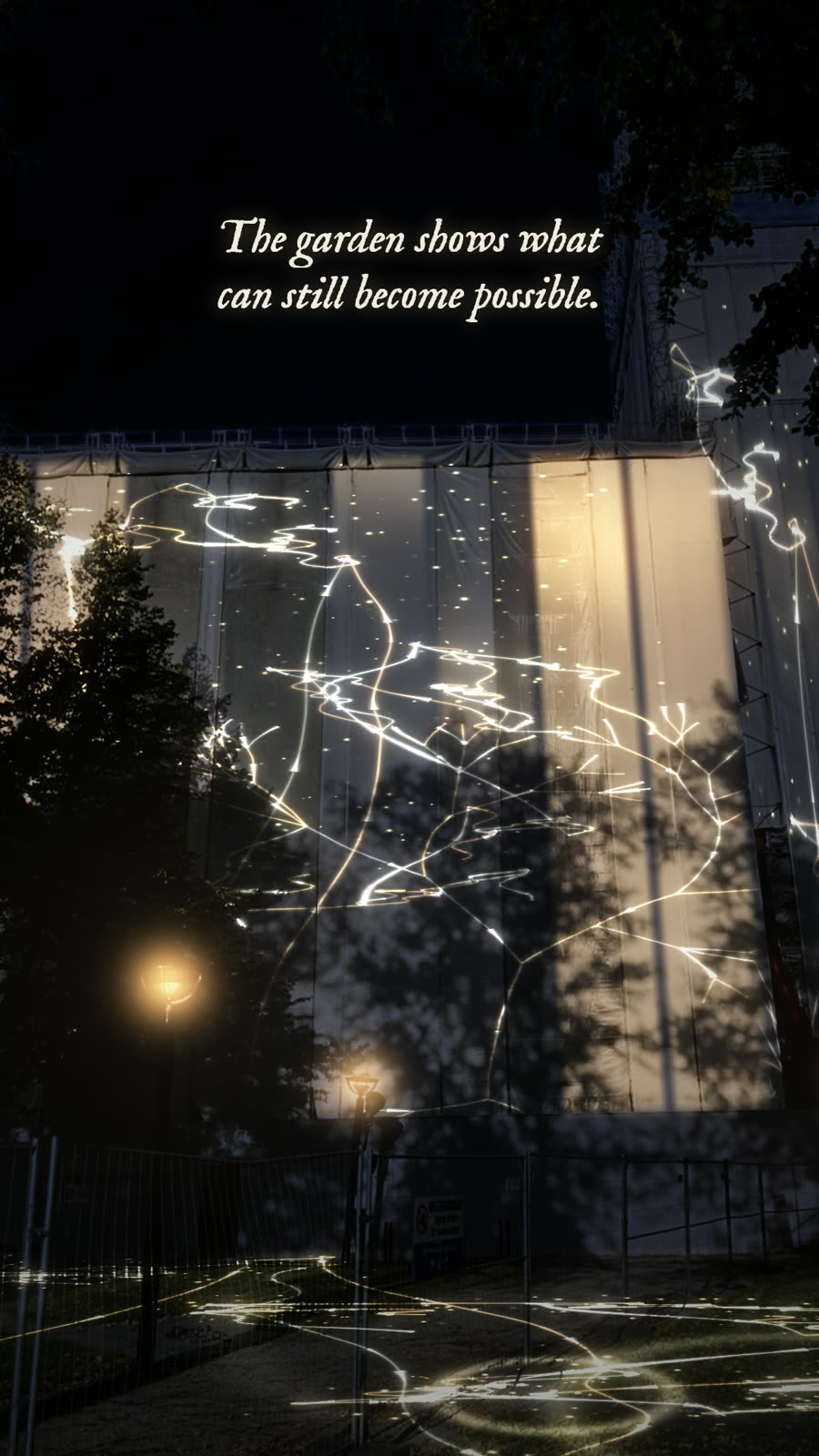
Renderings built on a photograph of the church taken by day.
Already tried on a façade
The first outdoor test took place in October 2026 on the dark green wall of a student residence in Bergen. The Center for Digital Narrative at UiB provided the projector.
The wall was fitted in the mapping tool with every window masked, and the garden grew across it in real time. Seen from across the street, the roots and mushrooms held up well on a dark surface. Light from the windows cut into the image. The lessons for the church are a fixed projector position, a small crew, control over the light around the surface, and visuals tuned to the brightness of the projector used.
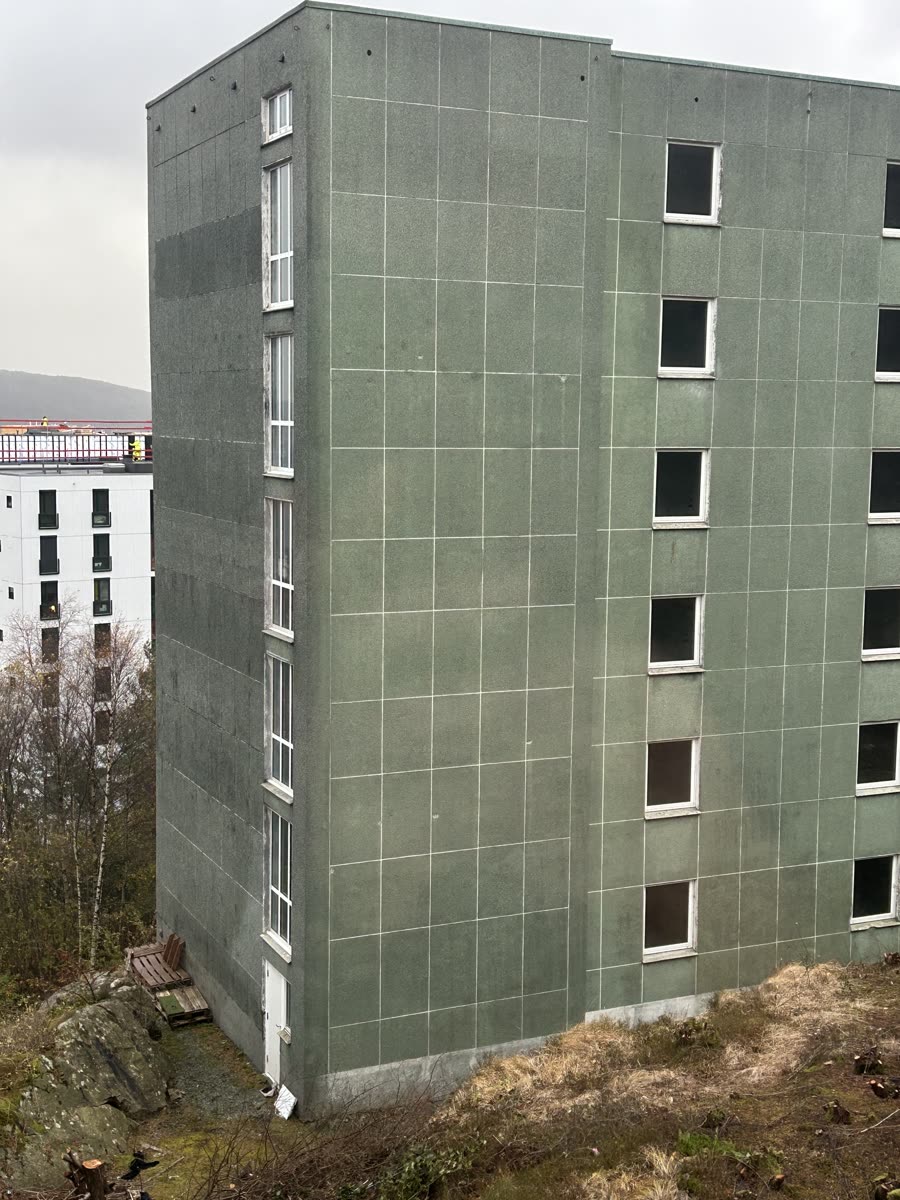
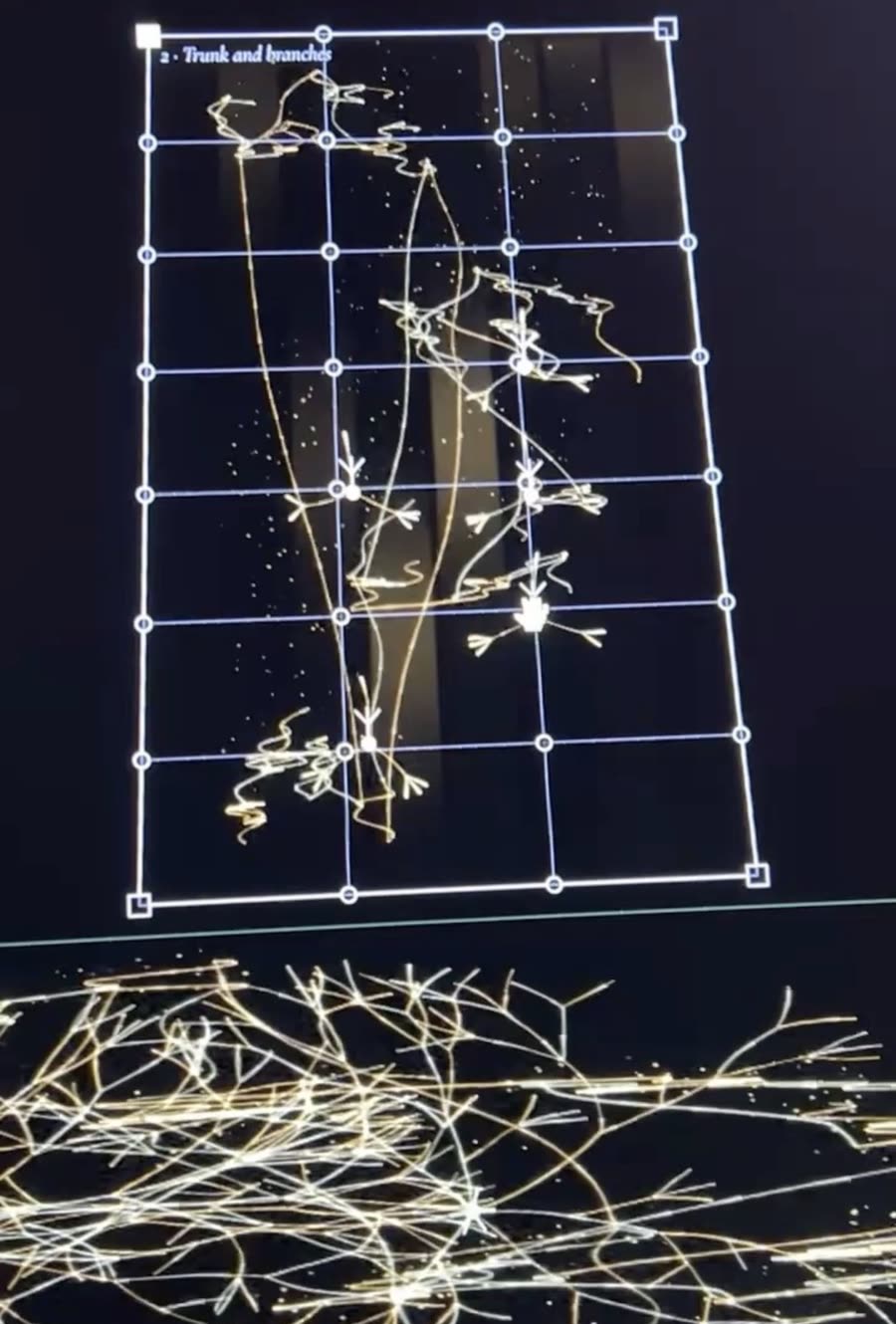
Phone documentation from the tests, filmed by me. No AI was used in the test footage.
From laptop to church wall
The garden is drawn live by a laptop and sent to two smaller projectors: one on the ground in front of the church, and one raised on a chair or stand. A mapping tool bends and blends the two images to fit the cloth, and an outdoor microphone lets the garden hear the street.
Everything runs locally on one machine, with no internet connection needed on site.
The visuals are programmed for the projectors that are actually installed. Brightness, contrast and line thickness are tuned to their light output, so the image on the cloth is as strong and clear as they allow. Later stages use several projectors. If and when the project is approved, the mapping will be programmed, optimised and tested on the actual church before the public evening. The renderings show the idea, not the final result.
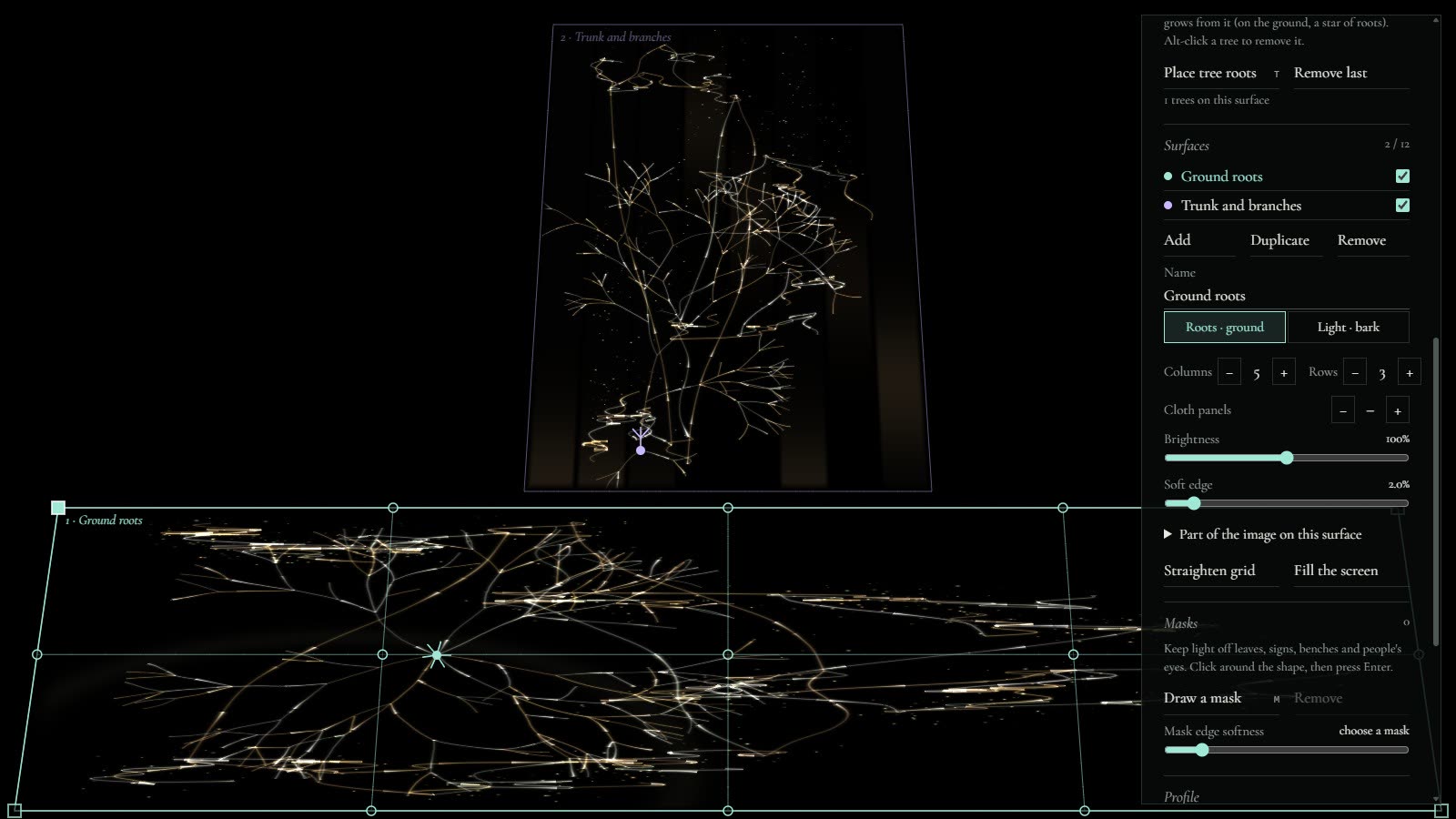
The mapping tool.
Two modes: cinematic and voice
Cinematic mode, for the public evening
In a large crowd outdoors, spoken commands get lost, and only the people closest to the microphone would be heard. The public evening therefore runs in a cinematic mode that needs no instructions from anyone. The garden moves through its sequence on its own, with slow camera paths, growth and text, and the crowd shapes it simply by being there.
Agency comes from presence. The garden listens to the crowd and answers by growing something from what it hears: a hum can open a flower, laughter can send out new roots, a long shared quiet can bring a line of text up from the ground. The level of sound and quiet also changes the pace of the evening. An optional camera that only measures movement and stillness, never faces or identity, could let the number of people staying make the roots grow further. The more people who stay, the more the garden grows that evening.
The garden has a cinematic edition today, and it already reacts to sound. Growing specific things from what it hears, and the presence camera, are proposed for the projection. The camera would only be used if the site agrees, with a sign at the entrance.
Voice mode, for private and small viewings
In a small group, a smaller room or a guided viewing, visitors can speak to the garden with simple commands such as walk, grow, look up, follow the root, down into the roots, algorithm and glitch. Here a single voice can be heard clearly, and each person gets a direct way to steer.
Voice commands work in the browser garden today, running locally with no internet connection.
The evening, step by step
- One projector is placed on the ground in front and one raised on a chair or stand, both facing the covering and protected from rain.
- After dark, a white grid goes up on the cloth and is pinned to its corners.
- The grid is bent to follow the seams and folds of the covering.
- Anything that should stay dark, such as street lamps, signs and the fence, is masked out.
- Crowns of light are placed where the trees' shadows meet the cloth.
- The microphone is tuned on site. The night test shows how well it can tell voices and claps apart from traffic.
- The setup is saved, the controls are hidden, and the garden runs for the evening.
- A single key blacks out the image instantly.
Open to anyone passing by
The evening is free and needs no ticket, app or device. People take part with their voice, a clap or by waiting quietly. The microphone hears sound, not bodies, so silence is something the whole crowd makes together.
A small sign at the site explains, in Norwegian and English, that the garden listens and how to make it respond. Visitors can watch from the street or come closer. Step-free access to the viewing area will be checked with the site before the date is set.
On the evening I will talk with visitors and write down what they say about the experience by hand. These notes will shape the version for Muséhagen.
Safety
Both projectors stand behind a barrier and are aimed up at the cloth, so nobody can look into the beam at close range. Cables run along the edge of the area under cable covers, and nothing crosses a walking route. Power comes from an outlet agreed with the site, through outdoor-rated leads with a residual current breaker.
Two people are on site from setup to takedown, one of them watching the audience area at all times. A first aid kit and a torch are at hand. The viewing area is lit enough to walk safely, and wet or uneven ground is marked or closed off.
The evening is cancelled or moved to the reserve date in strong wind or heavy rain. Liability insurance for the event is arranged before the date.
Privacy
The microphone measures sound levels only. No sound or image is recorded, stored or sent anywhere. Documentation photos are taken so that individual visitors cannot be recognised.
Leave no trace
Nothing touches the church or its covering. All equipment is set up and taken down on the same evening, and the area is left as it was found.
Down the hill, into Muséhagen
Rendering Muséhagen at night. Frames from my own footage of the garden, turned to night, with roots of light growing over the ground and up into the trees.
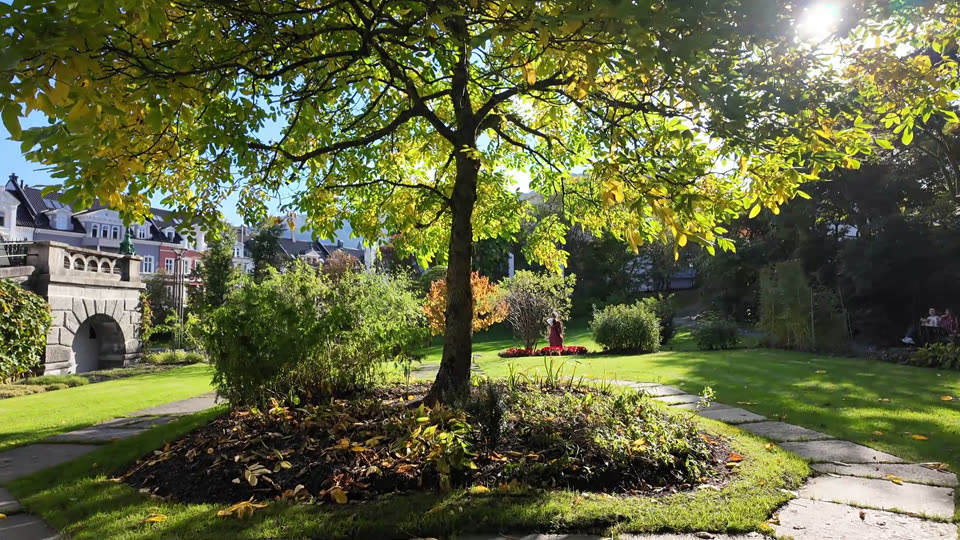
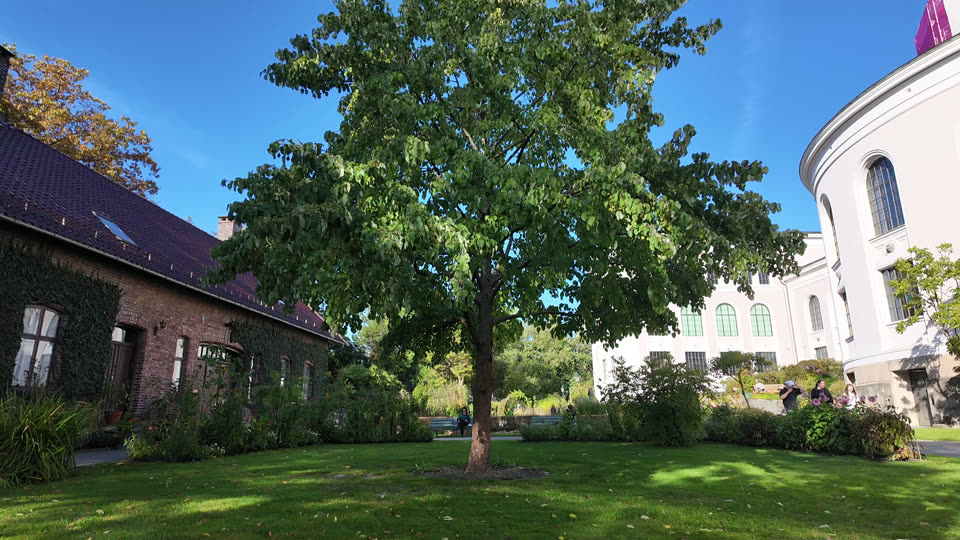
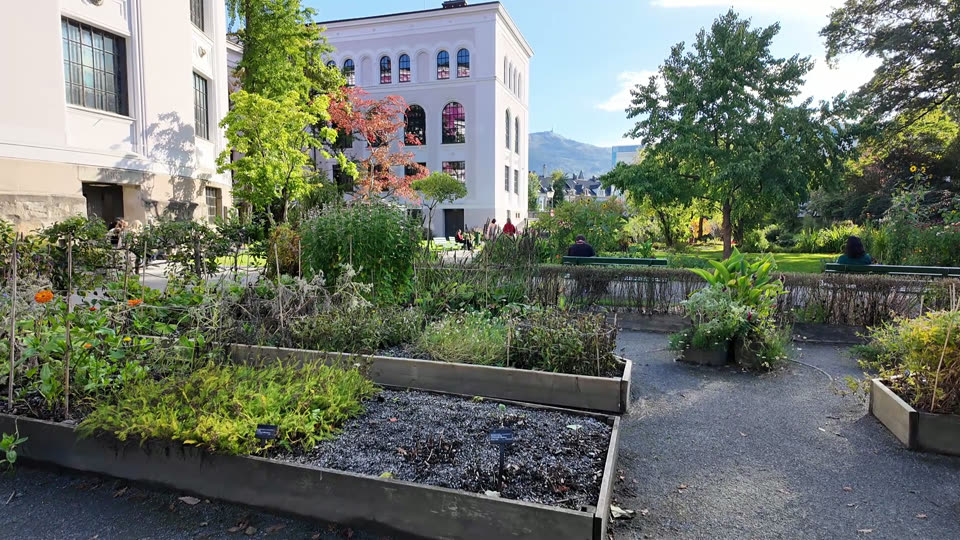
Muséhagen, filmed 30 September 2026.
After the church, the garden moves a few minutes down the hill into Muséhagen, the botanical garden beside the University Museum. Here the light lands on real trees, paths and soil.
Visitors walk the garden paths after dark and meet the work at a few stops along the way: roots of light spreading over the ground, crowns of light growing up real tree trunks, and a quiet place where lines of text appear if people wait.
Here the work uses several projectors. Each stop has its own small projector, and the edges of neighbouring images are blended so the light reads as one garden. I would plan the installation with the museum gardeners, subject to their agreement, so light, cables and visitors do not harm the plants. It runs over several dark autumn evenings.
Findings from the church evening
The single evening on Johanneskirken is the test for this stage. It shows how bright the image must be, how people respond to sound and stillness, and how the setup holds up outdoors. Muséhagen is then planned from those results.
Requirements for stage two
Access and power in the garden, two or more projectors with blended edges, weatherproof boxes along the paths, and a partnership with Universitetsmuseet i Bergen.
Planned stations in Muséhagen
The garden itself, recorded in real time.
Partner roles and benefits
| Partner | What is asked | What they get |
|---|---|---|
| Bergen kirkelige fellesråd | Permission to project on the restoration cloth for one evening, access to power, and contact with the restoration team about timing. | A free public artwork on the church during the restoration, with documentation they may use. |
| Bergen kommune | Advice on whether the evening needs a permit for use of public space, and support through the arts and culture grant. | A free, low-impact public art event on Nygårdshøyden that is open to everyone. |
| Universitetsmuseet i Bergen | Access to Muséhagen after dark for stage two, power along the paths, and advice from the gardeners on protecting the plants. | A new way for visitors to meet the garden at night, built around the museum's own collection. |
| Center for Digital Narrative, UiB | A cooperation on projectors and technical equipment, and an academic home for documenting the work. | A public event and documentation material about site-specific digital narrative in Bergen. |
Practical facts
| Question | Answer |
|---|---|
| When and how long | One evening in winter 2027, about three hours after dark, with a reserve date. Muséhagen: a few evenings in autumn 2027. |
| Footprint | Two small projectors, one on the ground and one raised on a chair or stand, behind a barrier, a table for the laptop, and a small sign. Stage two adds several small projectors along the paths. |
| Power | One ordinary outlet for the church evening. The exact load is given once the projectors are chosen. |
| Sound | No loudspeakers at the church. The work listens and does not add noise to the neighbourhood. |
| Light spill | The image is masked to the cloth, so light does not fall on windows, the street or neighbouring buildings. |
| Audience | People passing by and invited guests. Capacity is agreed with the site before the date. |
| Accessibility | No ticket, app or device needed. Step-free access to the viewing area is checked with the site. |
| Insurance and safety | Liability insurance is arranged before the date. Two people on site at all times. |
| Data | No recording or storage of sound or images of visitors. |
| Contact | Ingrid Ormevik, artist and project lead. |
Where the garden could go next
These ideas are not part of this application. They are directions that the church evening and Muséhagen could open up, and each would need its own testing and safety plan.
The long dream: a garden society
After the evenings in 2027, HAGEN could stay in Muséhagen for good. A permanent version would be written for the garden's own plants, so each species in the collection gets its own kind of root, light and text, and the work grows along with the real garden through the seasons.
The same system can be tuned to other botanical gardens, each with its own plants, paths, climate and history. Every garden would keep its local character while running the same living software.
The dream is to link these gardens into one shared network. Rain in Bergen, a dry afternoon in another country, the quiet of visitors on the other side of the world: each garden would send small signals of weather, season and presence to the others, and the roots would carry them across. Only anonymous signals travel, never sound, images or personal data.
Online, the garden would change with whoever opens it. Someone logging in from Nairobi would see Nairobi's weather and season, and the plants of a botanical garden nearby. Someone in Bergen would see Bergen's rain and the species of Muséhagen. From there, visitors could travel to each other's gardens, a shared meeting place where the gardens of the world are on display side by side.
Every visit leaves a trace. The garden keeps how far it has grown, so the roots continue from where earlier visitors left them, and the next person finds a garden that others have helped grow, without knowing who they were.
It would become one large immersive exhibition across many places, a garden society where species and people belong together even though their locations, weather and origins differ. That is HAGEN's question on a global scale: can we grow toward each other from different soil?
A long-term vision, beyond this application. It would need partner gardens, plant data from their collections, funding, and its own safety and privacy plan.
Smaller next steps
A night walk with headlamps
Visitors walk through Muséhagen in the dark wearing headlamps. Where a beam lands on the ground, roots of light start to grow from that spot, and several visitors together can grow a shared network across the path.
Safety questions: walking in the dark on wet paths, group size and guides, headlamps that do not dazzle other visitors, and keeping people on the paths so the plants are not trampled.
Rain-reactive projection mapping
Bergen's rain becomes part of the work. A rain sensor or weather data changes the projection, so the roots drink, swell and branch more on wet evenings and rest when the weather is dry.
Safety questions: waterproof housings for projectors and electronics, outdoor-rated power, and slippery surfaces for the audience.
HAGEN with live music
A different kind of evening, with its own theme. Musicians play and the garden answers the music: roots pulse with the beat, the bass moves the light, and melody and harmony shape how things grow. Here the musicians lead and the audience listens, a duet between music and garden.
The sixth act, Two voices that don't melt into one still become an alloy, could become a concert where musicians from different traditions play together and the garden shows two sounds meeting without merging. One possible partner is Bergen Filharmoniske Orkester, with an orchestra and the garden answering each other. This is an idea, and they have not been contacted.
Needs: a direct line from the mixing desk instead of an open microphone, a sound technician and PA, fees for the musicians, and attention to noise rules near homes. Muséhagen may suit acoustic music best.
Two stages in 2027
| When | Milestone |
|---|---|
| November to December 2026 | Contact with Bergen kirkelige fellesråd, the University Museum and CDN about a cooperation. Site visit after dark. Quotes for equipment and a technician. |
| January 2027 | Night test on site with both projectors. Final mapping profile saved. |
| February 2027 | The public evening, with a reserve date in case of storm. |
| Spring and summer 2027 | Documentation and adjustments based on the evening. |
| Autumn 2027 | HAGEN in Muséhagen, on trees, paths and soil. |
Dates depend on the restoration schedule and on permission from the site.
| Stage one, the church evening | Lean, with CDN | With rented equipment |
|---|---|---|
| Two small outdoor projectors | 0 | 18 000 |
| Projection technician | 4 500 | 9 000 |
| Outdoor microphone and wind cover | 2 500 | 3 000 |
| Stand, barrier, cable covers, outdoor leads, rain cover | 4 000 | 7 000 |
| Event liability insurance | 2 000 | 3 000 |
| Sign and visitor information | 1 000 | 2 000 |
| Documentation for future marketing: film and stills | 5 000 | 18 000 |
| Artist fee, NOK 3 500 a day | 21 000 | 35 000 |
| Contingency, 10 percent | 4 000 | 9 500 |
| Total | 44 000 | 104 500 |
The lean budget is the one applied for. It assumes projectors and test night through a cooperation with CDN, one paid technician night and six artist days. The second column shows the cost if all equipment has to be rented. Estimates from November 2026, to be confirmed with quotes. Whether UiB or CDN insurance covers the evening will be checked.
Stage two in Muséhagen gets its own budget after the church test, when the needed brightness, number of projectors and number of evenings are known.
Risks and mitigation
| Risk | Plan |
|---|---|
| Rain or storm on the evening | Rain covers for the projectors, and a reserve date the following week. |
| Too much light around the church | Night test in January to measure it, visuals tuned to the projectors, and brighter models if needed. |
| Traffic noise drowns out the visitors | Tested on the night test. Without usable sound input the garden still grows slowly by itself. |
| The covering is removed earlier than planned | Early contact with the restoration team, and a test date as soon as permission is given. |
| Permission is not given | An alternative surface is sought, which needs its own approval. If the museum agrees, the work can also go straight to the Muséhagen stage. |
| The computer fails | A second laptop with the same saved setup is ready on site. |
| Light or cables harm plants in Muséhagen | Placement planned with the museum gardeners, and no fixings in trees or soil. |
Who makes it happen
| Role | Who |
|---|---|
| Artist, software and mapping | Ingrid Ormevik |
| Projection technician | To be hired |
| Site permission, church | Bergen kirkelige fellesråd |
| Site partner, Muséhagen | Universitetsmuseet i Bergen |
| Proposed cooperation partner | Center for Digital Narrative, UiB |
The cooperation with CDN and the partnerships with the church and the museum are not agreed yet.
Credits and use of AI
Every photograph and video in this proposal and on the website was taken by me: the photos of Johanneskirken, the footage of Muséhagen, and all documentation of the projection tests. The tests were done by hand. I projected onto the sheet indoors, and I held the projector out of my window towards the student residence and steered the image myself while filming. The concept, ideas, texts and poems, research and documentation are my own.
I used the AI assistants Claude Code and Codex as tools in three places. They helped me make the mockup visualisations of the projection on Johanneskirken and in Muséhagen, built on my own photos and footage. They helped me write the code for the HAGEN garden and the mapping tool. And they helped me build the presentation website on GitHub. The stills and clips of the garden are recordings of my own running software. The artwork itself uses no generative AI while it runs.
A cooperation with the Center for Digital Narrative
CDN at the University of Bergen already supported the façade test by lending a projector. I propose to develop that into a cooperation for both stages.
CDN could provide projectors and technical equipment, which would lower the rental budget, and give the work an academic home where the evenings are documented and shared as an example of site-specific digital narrative in Bergen. In return the project offers CDN a public event on Nygårdshøyden and documentation material for its channels.
One-minute film of the garden, set to Nordic Rainforest Pulse by Ingrid Ormevik.
Ingrid Ormevik
I am an artist and creative technologist in Bergen, working under the name Mount Media. I make electronic literature, games and sound-reactive visuals for real places: a park during Pride, a sauna by the fjord in Oslo, and now a church wall and a museum garden. I study Digital Culture at the University of Bergen, and in 2025 my interactive story The Turing Test won first prize in electronic literature at the Digital Culture Awards.
Before that I spent years behind the scenes in Bergen's venues and festivals, running bars and live streams, and from 2018 to 2024 I ran Queer Fashion of Scandinavia. I know how to bring people into a room and make them feel welcome there. HAGEN takes that out into the city, as a garden where anyone can belong.
ingrid.ormevik@student.uib.noBlog
Selected works7
- 2026HAGENInteractive night garden and projection, in development. This proposal.
- 2026What the Roots KeepElectronic literature in five parts about connection, distance and family inheritance.
- 2026RegnbuenattNight event in Marinehagen during Bergen Pride. My idea and my project, from concept to campaign.
- 2026FjordtattContinuation of Bergtatt for SALT in Oslo, a sauna ritual about warmth, water and chosen family.
- 2026BergtattGenerative, sound-reactive visuals made for Regnbuenatt.
- 2026Pride Park, the gameLocation-based game in Nygårdsparken during Bergen Pride.
- 2025The Turing Test: Fragments of a Life Saved by PixelsInteractive story about AI bias. First prize in electronic literature, Digital Culture Awards 2025.
Experience11
- 2026 to nowArtistic director and developerMount Media
- 2026 to nowTeaching assistant, DIKULT105University of Bergen
- In progress, 2026Communications internCenter for Digital Narrative
- 2026Research intern, SurvivingSOGICECenter for Digital Narrative
- 2026Project lead, RegnbuenattBergen Pride closing party. Idea, concept, visuals and marketing
- 2023–2026Digital media strategistRegnbuedagene i Bergen
- 2023 to nowKIM eventsFincken
- 2025Project lead, Skeiv JulRegnbuedagene, FRI Vestland, Skeiv Verden Vest
- 2018–2024FounderQueer Fashion of Scandinavia
- 2015–2018Bar managerRockefeller, John Dee, Sentrum Scene
- 2010–2015, 2023–2025Bartender and door staffFincken
Talks and writing3
- In progress, autumn 2026"Synthetic Influencers: Content, Co-creation and Advocacy", with Zahra RizviRoutledge Handbook of Influencer Activism and Advocacy
- 23 September 2026Me, Myself and A.I.CDN Autumn Equinox, Litteraturhuset i Bergen
- 2026Reflection after EquinoxBlog post
Press3
- 26 December 2024"Hun ønsker å se tøffere ut enn hun faktisk er"Blikk. Interview about Queer Fashion of Scandinavia
- 24 November 2022"Queer Fashion of Scandinavia (QFoS) / Ingrid Ormevik"Drastic. Portfolio feature
- 19 June 2021"Ingrid Ormevik driver Instagram-profilen Queer Fashion of Scandinavia"Blikk
Live streaming and production9
- 2022, 2023Live streaming, festival staffBorealis, festival for experimental music
- 2023Video productionBorealis, festival for experimental music
- 25 April 2022Live stream of MILF (Mother I'd Like to Eat) by Lana May FlemingPrøverommet and BEK, with Bertha Chan
- 2020–2023Live streaming technicianBergen Kjøtt
- Pandemic yearsLive streaming and recordingBEK, Bergen Centre for Electronic Arts
- Pandemic yearsLive streamingEkko festival
- Pandemic yearsLive streamingPrøverommet
- 2020Grip workshop
- 2022Multi-camera live stream, BlackmagicTrans Awareness Week
Education, awards and volunteering5
- 2024–2027BA in Digital CultureUniversity of Bergen
- 2025First prize in electronic literatureDigital Culture Awards
- 2023 to nowVolunteer, Bergen Pride committeeRegnbuedagene i Bergen
- 2023 to nowBoard memberFRI Vestland
- Drone operator, responsible alcohol service, responsible hostingCertificates